
Our products

Purchase products

1MM

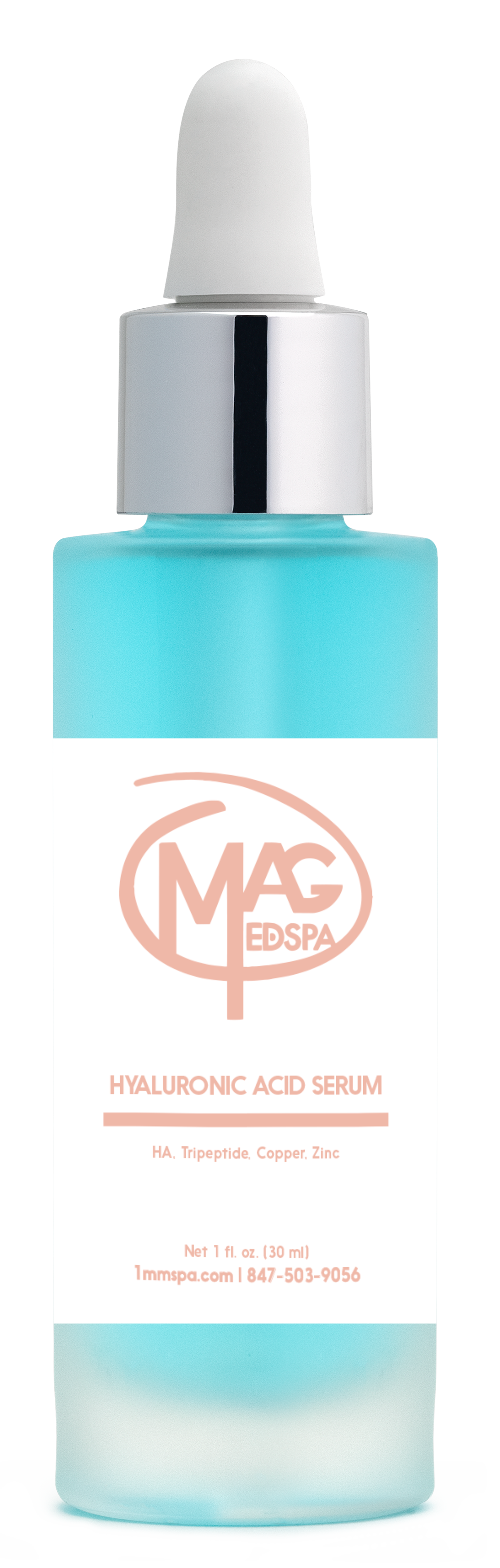
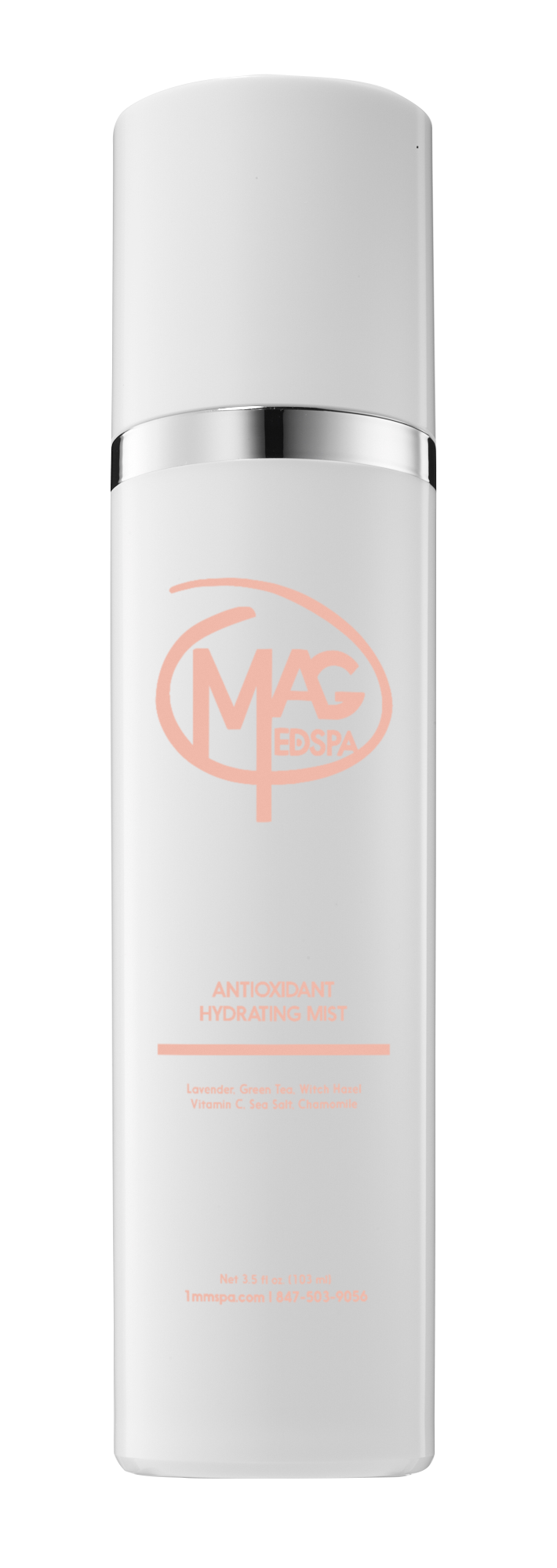
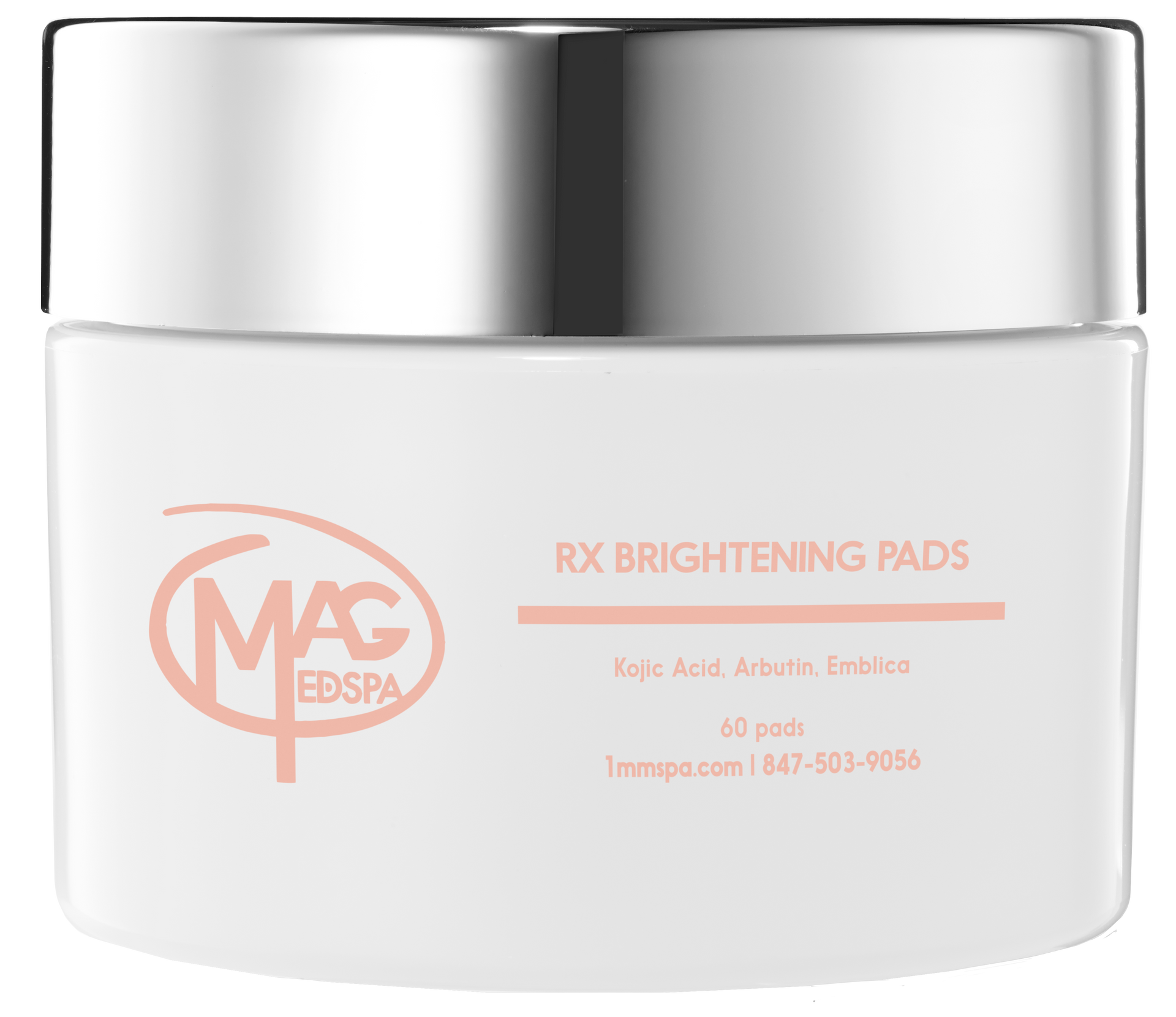
Discover our exclusive 1MM products, meticulously crafted to deliver professional-grade results for raidant and healthy skin.
OBAGI

Obagi Medical provides transformational skin care products formulated to minimize signs of skin aging, address dark spots, hyperpigmentation, fine lines and wrinkles, and to protect and enhance skin tone and texture.

IMAGE SKINCARE

Where efficacy meets experience. IMAGE Skincare is a physician-formulated, clean clinical skincare that delivers real results for confidence in your skin– and your skincare.
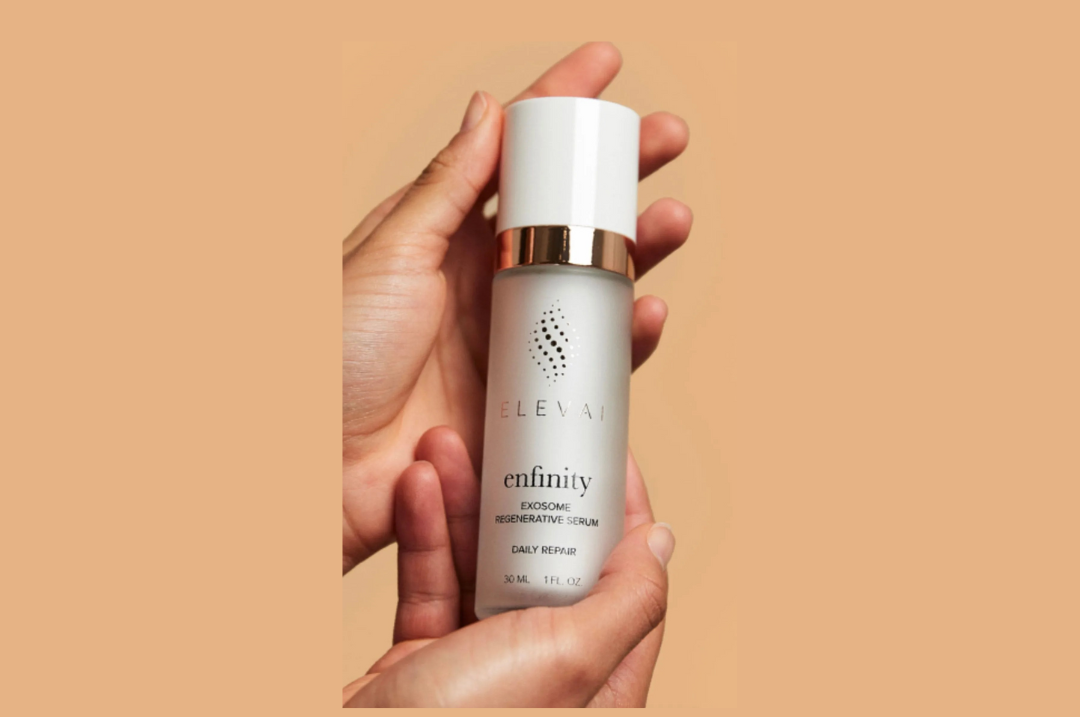
ELEVAI enfinity

Daily Exosome Serum 

A rejuvenating serum for at-home daily use with an effective blend of ELEVAI Exosomes™ combines nano- encapsulated stem cell growth factors, powerful peptides, and the highest quality skincare ingredients available to support skin health and rejuvenation.


With daily use, you will experience healthier, more balanced skin with results you can see and feel.
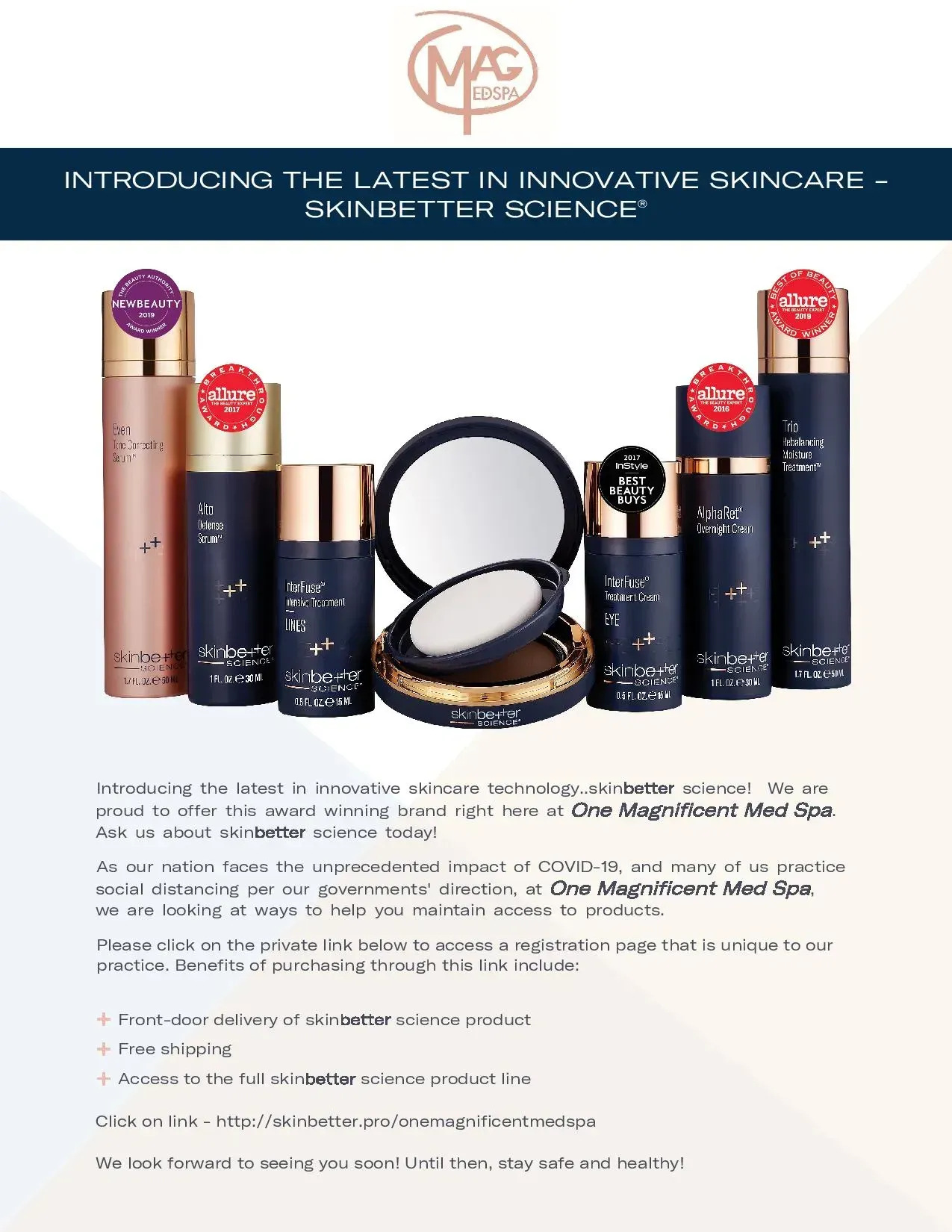
SKINBETTER SCIENCE
LATISSE

LATISSE® (bimatoprost ophthalmic solution) 0.03%

Important Information Indication

LATISSE® (bimatoprost ophthalmic solution) 0.03% is indicated to treat hypotrichosis of the eyelashes by increasing their growth, including length, thickness, and darkness.


Important Safety Information
Contraindications: LATISSE® is contraindicated in patients with hypersensitivity to bimatoprost or any of the ingredients.

Warnings and Precautions: In patients using LUMIGAN® (bimatoprost ophthalmic solution) or other prostaglandin analogs for the treatment of elevated intraocular pressure (IOP), the concomitant use of LATISSE® may interfere with the desired reduction in IOP. Patients using prostaglandin analogs including LUMIGAN® for IOP reduction should only use LATISSE® after consulting with their physician and should be monitored for changes to their intraocular pressure.


Increased iris pigmentation has occurred when bimatoprost solution was administered. Patients should be advised about the potential for increased brown iris pigmentation, which is likely to be permanent.


Bimatoprost has been reported to cause pigment changes (darkening) to periorbital pigmented tissues and eyelashes. The pigmentation is expected to increase as long as bimatoprost is administered, but has been reported to be reversible upon discontinuation of bimatoprost in most patients.


There is the potential for hair growth to occur in areas where LATISSE® solution comes in repeated contact with skin surfaces. Apply LATISSE® only to the skin of the upper eyelid margin at the base of the eyelashes.


LATISSE® solution should be used with caution in patients with active intraocular inflammation (eg, uveitis) because the inflammation may be exacerbated. LATISSE® should be used with caution in aphakic patients, in pseudophakic patients with a torn posterior lens capsule, or in patients with known risk factors for macular edema.


Adverse Reactions: The most frequently reported adverse events were eye pruritus, conjunctival hyperemia, skin hyperpigmentation, ocular irritation, dry eye symptoms, and periorbital erythema. These reactions occurred in less than 4% of patients.

Postmarketing Experience: The following adverse reactions have been identified during postapproval use of LATISSE®: dry skin of the eyelid and/or periocular area, eye swelling, eyelid edema, hypersensitivity (local allergic reactions), lacrimation increased, madarosis and trichorrhexis (temporary loss of a few eyelashes to loss of sections of eyelashes, and temporary eyelash breakage, respectively), periorbital and lid changes associated with a deepening of the eyelid sulcus, rash (including macular and erythematous), skin discoloration (periorbital), and vision blurred.


There is the potential for hair growth to occur in areas where LATISSE® solution comes in repeated contact with skin surfaces. Apply LATISSE® only to the skin of the upper eyelid margin at the base of the eyelashes.


LATISSE® solution should be used with caution in patients with active intraocular inflammation (eg, uveitis) because the inflammation may be exacerbated. LATISSE® should be used with caution in aphakic patients, in pseudophakic patients with a torn posterior lens capsule, or in patients with known risk factors for macular edema.


Adverse Reactions: The most frequently reported adverse events were eye pruritus, conjunctival hyperemia, skin hyperpigmentation, ocular irritation, dry eye symptoms, and periorbital erythema. These reactions occurred in less than 4% of patients.


Postmarketing Experience: The following adverse reactions have been identified during postapproval use of LATISSE®: dry skin of the eyelid and/or periocular area, eye swelling, eyelid edema, hypersensitivity (local allergic reactions), lacrimation increased, madarosis and trichorrhexis (temporary loss of a few eyelashes to loss of sections of eyelashes, and temporary eyelash breakage, respectively), periorbital and lid changes associated with a deepening of the eyelid sulcus, rash (including macular and erythematous), skin discoloration (periorbital), and vision blurred.


Please see LATISSE® full Prescribing Information.